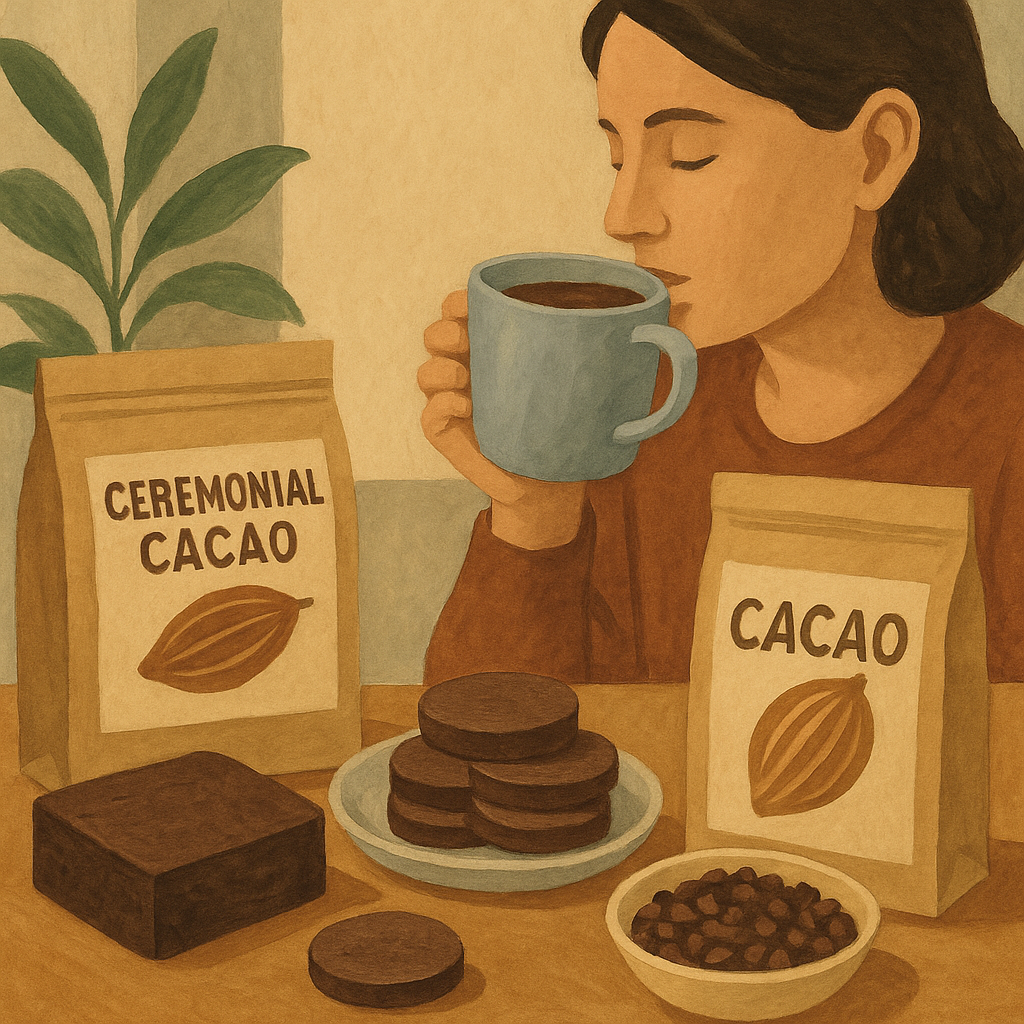
Discover the Best Ceremonial Cacao For Your Rituals
Share
Best ceremonial cacao isn’t just “whatever block says ceremonial.” It’s cacao that’s minimally processed, transparently sourced, and actually tastes like something you’d want to turn into a weekly ritual.
This guide shares a simple way to choose ceremonial cacao (without getting lost in marketing), plus a few brands and forms to look for. If you like to travel with your routine, you’ll also see how a small BumpStraw can keep your cacao add-ins tidy when you’re packing light.
Key takeaways (for impatient cacao lovers)
Look for 100% cacao paste (nothing added, nothing removed), with clear origin and processing details.
Full-fat cacao paste melts smoother than powder and tends to carry more of cacao’s natural aroma and flavor.
If a brand won’t tell you where it’s from or how it’s made, it’s probably not your “best ceremonial cacao.”
What “ceremonial cacao” usually means (and what it doesn’t)
There’s no single universal certification for ceremonial cacao, but most makers use it to describe cacao that’s minimally processed, made as a whole-bean paste, and sold in blocks/discs rather than as defatted cocoa powder.
In practice, the best ceremonial cacao is typically fermented, dried, lightly roasted (or carefully processed), then stone-ground into paste with the natural cocoa butter still intact.
How to choose the best ceremonial cacao for your rituals
1) Check the form: paste beats powder for ritual drinks
For a classic ceremonial cacao drink, most people prefer cacao paste (blocks, chunks, coins, or discs). Powder can work, but it’s often made after pressing out cocoa butter, which changes texture and mouthfeel.
2) Look for origin + transparency (not vague “ethically sourced” vibes)
Great cacao brands are proud to share origin details (country/region/co-op) and how they work with farmers. Vague labels aren’t a dealbreaker, but they’re a yellow flag.
3) Pay attention to processing notes
Light roasting and careful grinding are common. Avoid products with long ingredient lists, added flavorings, or anything that turns your cacao into a dessert mix when what you want is a ritual base.
4) Choose a flavor profile you’ll actually drink regularly
Some cacao is fruity and bright; some is earthy and bold. “Best” is the one you’ll keep coming back to. If possible, start with sample sizes.
Top ceremonial cacao brands (starting points)
Brands change, availability changes, and your taste will evolve. These are solid starting points to explore:
Ora Cacao — Known for convenient discs and a modern ritual-friendly format.
Keith’s Cacao — Often described as potent; consider starting with a smaller serving.
Cacao Laboratory — Works with indigenous communities and highlights tradition-forward sourcing.
How to make a ceremonial cacao drink (simple, no fuss)
If you’re new, keep it simple first. Then get fancy.
Warm water or milk gently (don’t boil it).
Chop or shave cacao paste into small pieces.
Whisk or blend until smooth.
Add optional add-ins: cinnamon, vanilla, a pinch of salt, or a little sweetener.
Travel tip: If you bring spices or sweetener on the go, keep them in a tiny, clean container so your bag doesn’t turn into a cinnamon crime scene. A pocketable tool like BumpStraw is also handy when you want a neat scoop-and-stir setup without extra clutter.
Hosting a cacao ritual at home (low-key, still meaningful)
You don’t need a perfect Pinterest altar. You need a little time, a warm drink, and a clear intention.
Set an intention: one sentence is enough.
Make the space comfortable: softer lighting, a playlist you love, and less noise.
Add a practice: journaling, breathwork, or a short meditation.
Frequently asked questions
What makes ceremonial cacao different from regular cocoa?
Ceremonial cacao is typically sold as a minimally processed cacao paste (with the natural cocoa butter still present), while regular cocoa powder is often pressed to remove fat and may be further processed. For ritual-style drinks, paste usually tastes richer and blends creamier.
Is ceremonial cacao always single origin?
Not always, but many high-quality makers share origin details because it affects flavor and transparency. Single origin can be a good sign, but the bigger green flag is clear information about sourcing, processing, and ingredients.
How much ceremonial cacao should I use per cup?
A common range is about 20–30 g of cacao paste per cup, but it depends on potency and your preference. If you’re sensitive to stimulants, start smaller and see how your body feels before going bigger.
Can I use ceremonial cacao every day?
Many people enjoy it regularly, but it’s still a concentrated cacao product. If you have health conditions or take medication, check with a clinician first. For everyone else: start with smaller servings, hydrate, and pay attention to how you feel.
What’s the easiest way to make ceremonial cacao smoother?
Chop the paste small, use hot (not boiling) liquid, and whisk aggressively. A hand blender makes it extra smooth. A tiny pinch of salt can also boost the chocolate notes without making it taste salty.